22-11-2024 12:39 PM
Freight forwarding is a vital component of global trade, ensuring that goods move seamlessly from one destination to another. Whether you’re a small business venturing into international markets or a large corporation managing complex supply chains, understanding the basics of freight forwarding can help streamline operations, reduce costs, and ensure timely deliveries.
This guide will cover everything you need to know about freight forwarding, including its definition, key roles, benefits, and steps involved.
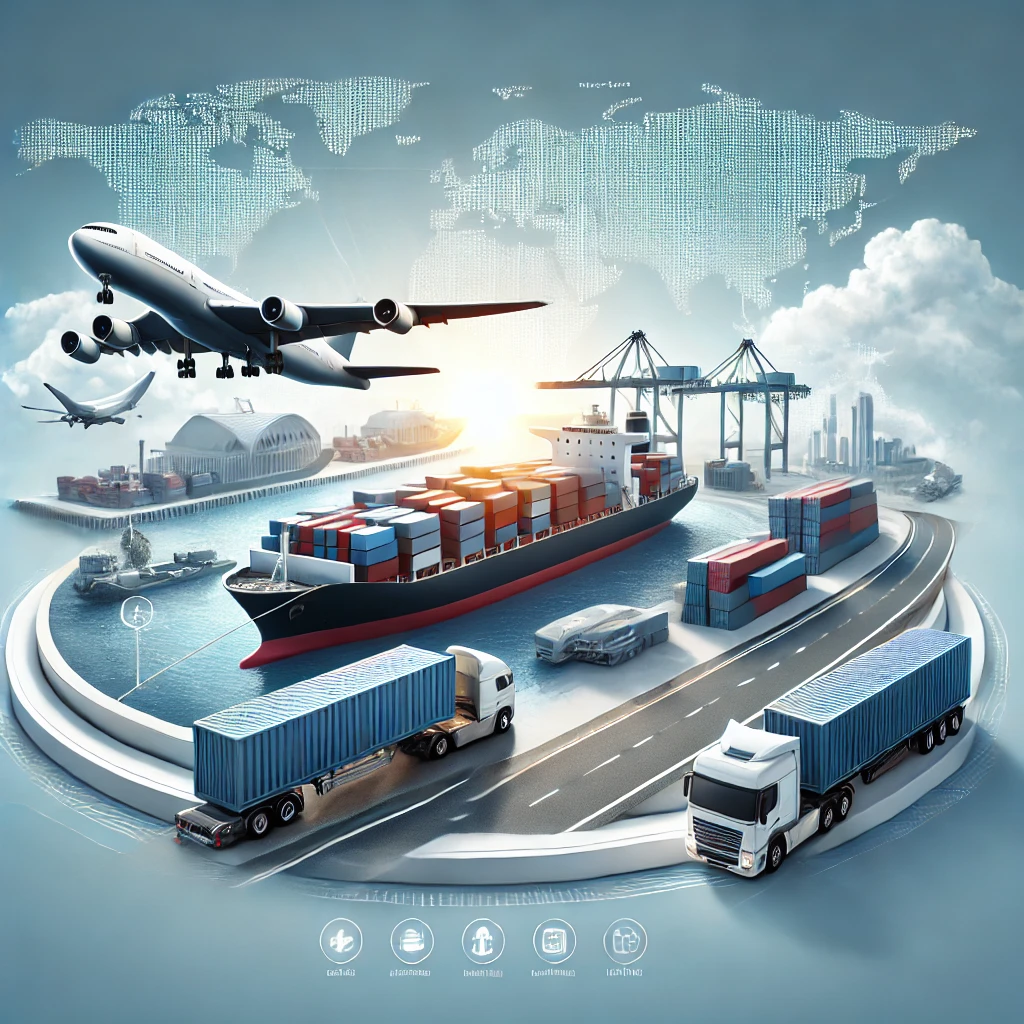
Freight forwarding is the process of coordinating and managing the transportation of goods across borders or within countries on behalf of shippers. Freight forwarders act as intermediaries between businesses and transportation providers, offering expertise in logistics, customs regulations, and documentation.
1. Shipment Planning
2. Documentation Preparation
3. Booking and Transportation
4. Customs Clearance
5. Cargo Consolidation
6. Freight Tracking
7. Final Delivery
Freight forwarding simplifies the complexities of global trade, ensuring goods are transported efficiently, securely, and on time. By partnering with an experienced freight forwarder, businesses can focus on their core operations while leaving the logistics in expert hands. Whether you’re a small business or a multinational corporation, understanding the basics of freight forwarding will help you navigate international shipping with confidence.
Looking for reliable freight forwarding services? At Sitics Logistic Solutions, we specialise in tailored logistics solutions to meet your unique needs. Contact us today to streamline your shipping processes and achieve seamless global trade.